








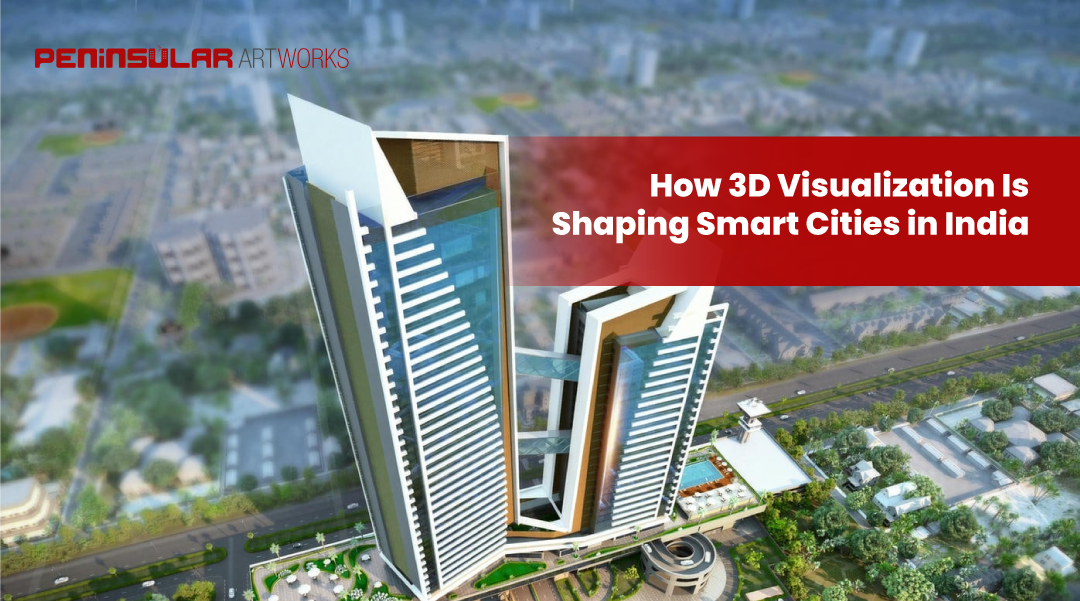
How 3D Visualization Is Shaping Smart Cities in India
Introduction
India’s cities are changing faster than ever. With new roads, housing projects, and public spaces coming up, the pressure on planners to get everything right is huge. Traditional 2D maps can only do so much. That is where 3D visualization of architecture, land use, etc. show a great advantage.
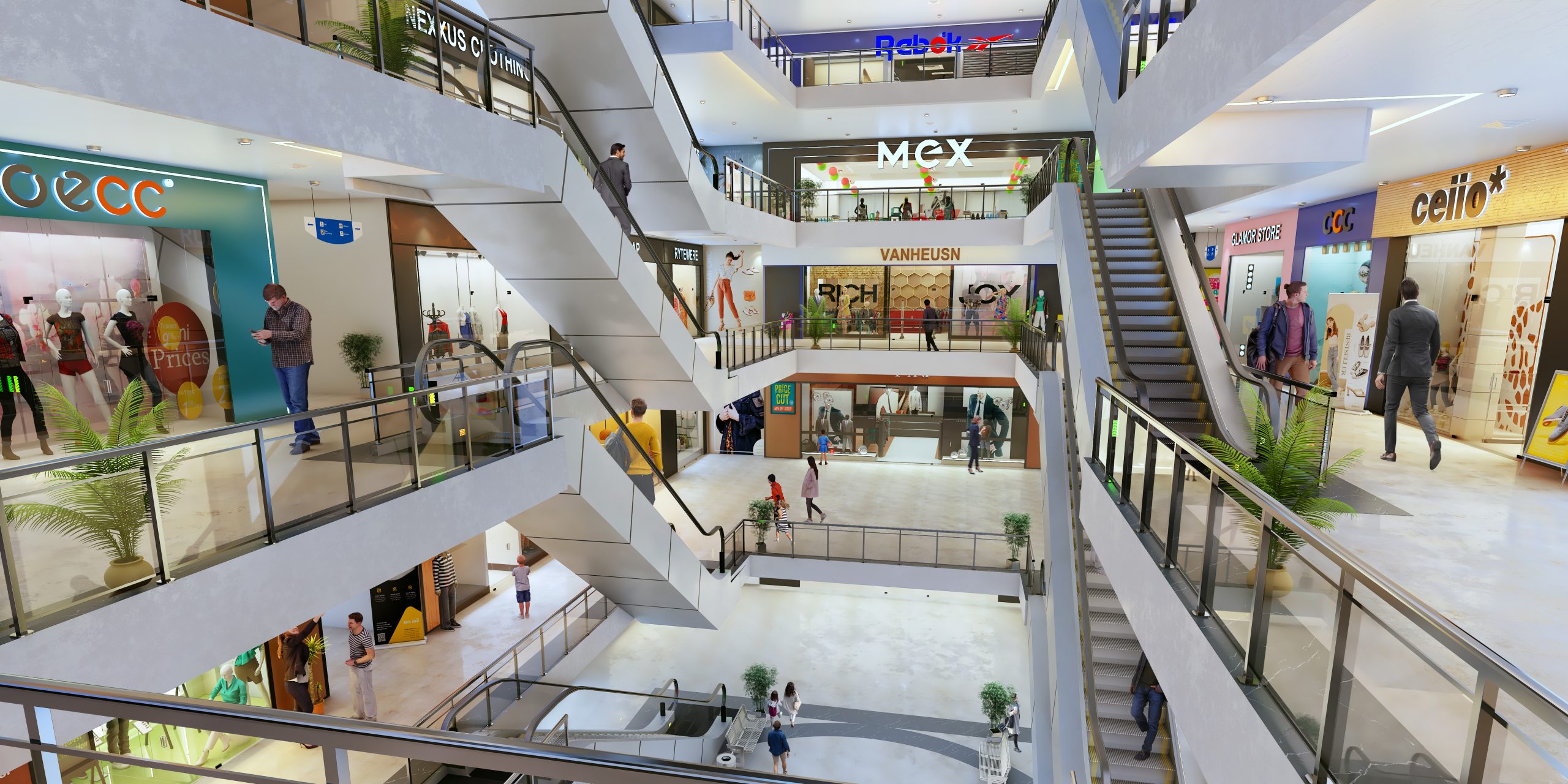
3D modeling helps planners, architects, and even municipalities visualize what a city will look like before the first brick is laid. Buildings, road and traffic systems, and green spaces can all be modeled together to demonstrate how they will co-exist in reality. This kind of planning makes them smarter, safer, and far more efficient. 3D architectural walkthroughs further enhance this process by providing immersive visualizations of these planned environments.
1. Accurate City Planning
Good planning starts with a clear picture, and 3D visualization gives exactly that. It replaces old-style paper maps with lifelike digital models. Every road, waterline, and open space can be viewed from multiple angles, helping planners fix problems early instead of mid-construction.
A 3D view also highlights spacing, sunlight direction, and crowd movement. These minor details greatly impact areas developed for thousands. Cities like Pune and Surat have already utilized such tools to lower design errors and better control the growth in urban areas.
2. Improved Decision Making
When big decisions rely on long technical reports, things slow down. A 3D model changes that completely. It gives decision-makers a clear, visual idea of how a project will look and function. They can study the design, spot issues instantly, and make quick calls backed by data, not just words.
By using 3D visualization services, city departments can also stay on the same page. Architects, engineers, and officials can all refer to one visual version of the project, which saves endless rounds of confusion and back-and-forth meetings.
3. Better Communication with Stakeholders
Smart city projects often involve several groups like government teams, investors, builders, and residents. It can be difficult to bring everyone into alignment. This is where the biggest advantage of 3D visualization will occur.
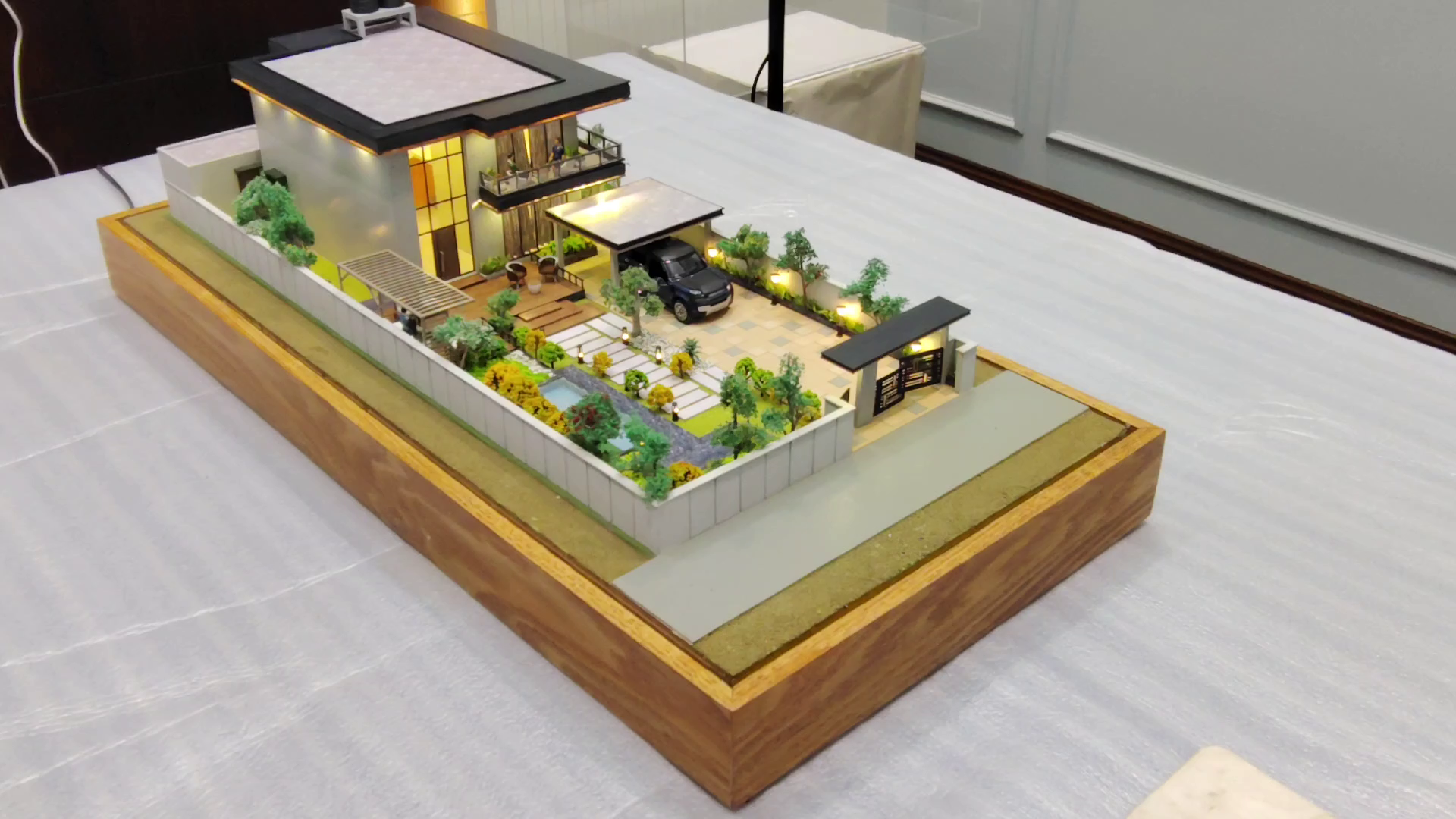
Instead of flat technical drawings no one understands, a 3D model can be presented like a virtual tour. This is important because a resident becomes a user of the space during and beyond the design and construction phase. Authorities can spot challenges early. This open view builds confidence and avoids resistance from people living in those areas.
When communication is visual and simple, trust grows faster than paperwork ever could.
4. Sustainable Development
Modern cities can no longer afford to grow in a way detrimental to the environment. 3D Visualization can help planners validate environmental impacts before any work begins on site. Models can test how sunlight, heat, and airflow patterns interact with buildings and can even show the percentage of green cover a neighborhood retains after development.
These insights can ultimately provide intelligent ecological design that balances comfort and protection. Consequently, cities trend toward sustainability rather than sprawl. The technology rules out the possibility of progress impacting nature.
5. Faster Project Approval
City project approval in India can take months or, in some cases, longer. 3D visualization makes that process smoother.
When reviewing a lifelike model, officials understand the proposal much faster than through text-heavy reports. They can see layouts, assess impact, and clear doubts right away. Developers win, as quicker approvals allow builders to get started quicker. Governments save, as this reduces waiting time and project backlog, and while being something small, it can either way make an astounding difference.
3D Power: Leading the Future of Smart City Visualization
Among some of the companies leading this change is 3D Power, which specializes in turning complex plans into visual images that people can understand. Their models meld technical accuracy with plottable artistic detail, making it possible for a developer or a planner to see a city before it is developed.
They have continued to transfer a digital-first plan to demonstrate a practical delivery while being at the forefront of India’s drive for livable, productive and aspirational places to create.
Conclusion
3D architectural visualization is reshaping the way India is building its smart cities. It creates good plans, enables quick decisions and keeps every party on the same plan. The outcomes are cities that are planned proactively and built practically.
As there are more urban developments in this building, we will see less human error, faster delivery and spaces that truly work for people. Not just taller and faster, but buildings that are future-proof cities.


